A Comprehensive Guide to Buying a Fridge: Tips and Considerations
Purchasing a refrigerator is a significant choice for any family. The best fridge not only keeps your food fresh but likewise improves the visual appeal of your kitchen. With a wide range of choices readily available in the market, potential buyers face the challenge of finding a refrigerator that suits their requirements and fits their budget plan. This short article supplies valuable insights into the important factors to think about when purchasing a fridge, classifies the different types offered, and addresses some often asked concerns.
Types of Refrigerators
Before diving into the buying process, it's necessary to understand the various types of fridges readily available. Each type serves an unique purpose and includes its own set of features. Here's a fast introduction:
| Type | Description | Perfect For |
|---|---|---|
| Top Freezer | A traditional model with the freezer compartment on top. | Budget-conscious customers. |
| Bottom Freezer | Refrigerator above, freezer at the bottom. | Those who often access fresh food. |
| Side-by-Side | 2 vertical areas, one for the fridge, one for the freezer. | Big families with varied storage needs. |
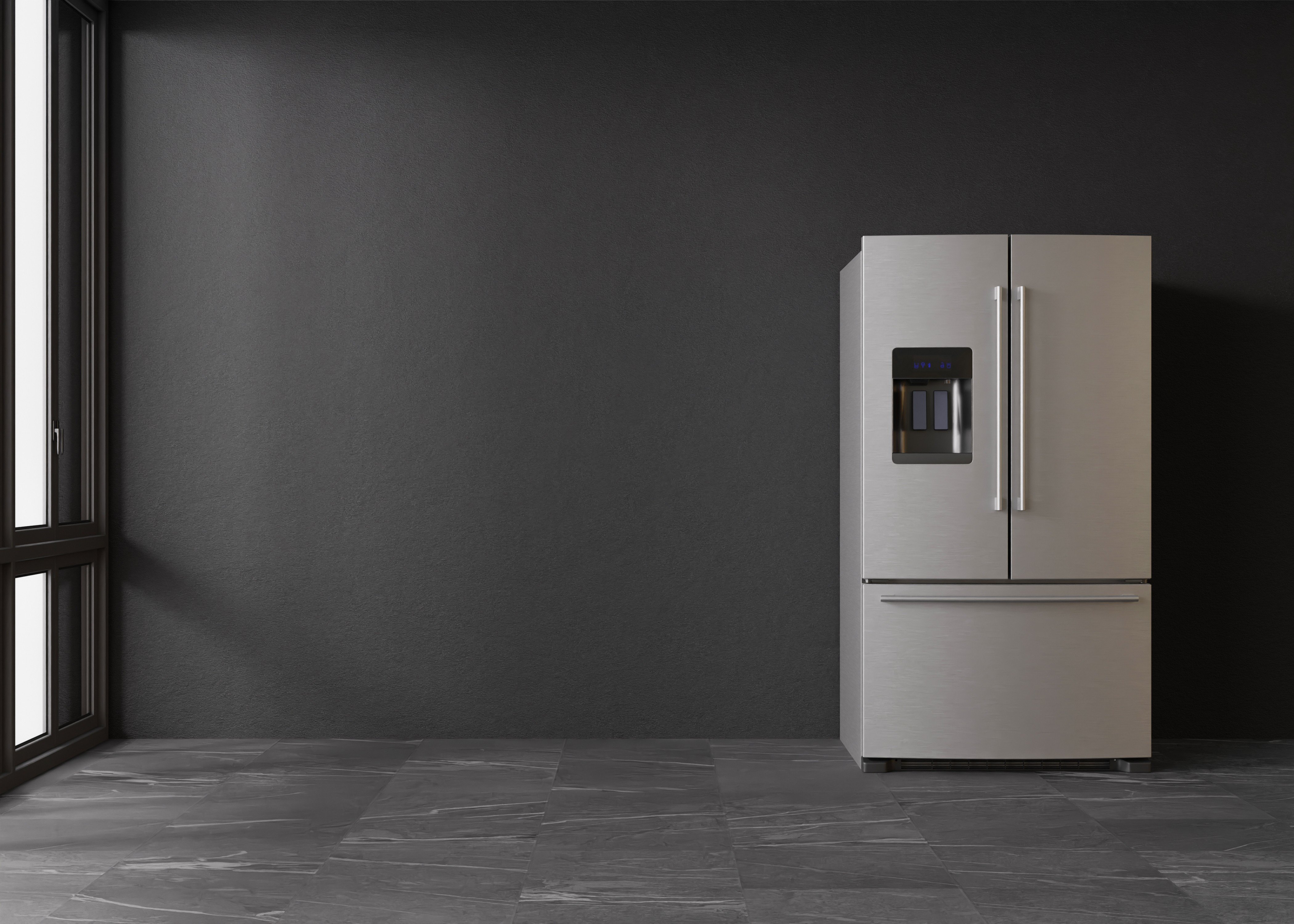
| French Door | Separate compartments for fridge and freezer with large doors. | Stylish cooking areas and devoted cooks. |
| Compact | Smaller sized and portable, suitable for limited areas. | Dormitories or small houses. |
| Smart Fridges | Equipped with Wi-Fi and touch screens for innovative functions. | Tech-savvy users looking for convenience. |
Comprehending these different types can help purchasers identify what suits their way of life and kitchen design best.
Key Considerations When Buying a Fridge
1. Size and Space
The size of the refrigerator is among the crucial aspects to consider. Step irvinkissack.top in your kitchen area where the fridge will live. Remember:
- Depth, Width, and Height: Ensure that the fridge matches your cooking area's overall design.
- Door Swing: Check that the door can open freely without blockage.
- Capability Needs: Consider just how much food you normally keep and choose a fridge with a proper cubic foot capacity.
2. Energy Efficiency
When buying a brand-new fridge, search for energy-efficient models. Energy Star-rated refrigerators consume less electrical power, which can significantly reduce utility expenses. Factors to assess consist of:
- Energy Guide Label: This supplies a price quote of the yearly energy intake.
- Inverter Technology: Helps maintain temperature level while consuming less power.
3. Features and Technology
Fridges come with a myriad of features and technological advancements. Picking the right mix can significantly enhance convenience:
- Temperature Control: Look for models that provide exact temperature settings for different compartments.
- Smart Technology: Wi-Fi connection can use alerts, dish suggestions, and stock checks.
- Ice and Water Dispenser: Consider whether you want an in-door water and ice dispenser to conserve area and boost accessibility.
4. Design and Design
The visual appeal of your refrigerator can complement the total kitchen design. Think about the following styles:
- Finish Choices: Stainless steel, matte black, and classic white are popular surfaces.
- Deal with Design: Choose a manage design that matches your kitchen's décor and is simple to open.
5. Cost and Brand Reliability
While there are many spending plan alternatives readily available, investing in a reliable brand name often translates to reliability and durability. Think about the following:
- Warranty: A solid guarantee can secure against flaws and failures.
- Client Reviews: Research user feedback to determine performance and service quality.
Buying Tips
- Research: Spend time reading evaluations and comparisons before deciding.
- Sales and Promotions: Look out for sales during vacations or special occasions to get much better deals.
- In-store Experience: Visit regional device stores to see the designs in individual and ask questions to experienced personnel.
Frequently asked questions about Buying a Fridge
1. The length of time can I anticipate my refrigerator to last?
Usually, a refrigerator lasts in between 10 to 20 years, depending on the brand and upkeep. Regular maintenance can extend its lifespan.
2. What should I do if my refrigerator isn't cooling effectively?
Start by checking the temperature level settings, make sure the door seals are intact, and keep the coils tidy. If problems persist, speak with a professional service technician.
3. Are wise fridges worth the financial investment?
Smart fridges can be useful for tech-savvy users and those who value benefit. Features like stock management and remote gain access to can conserve time and minimize food waste.
4. How do I effectively keep my refrigerator?
- Clean the interior frequently to remove spills and odors.
- Thaw if you come across frost buildup.
- Examine the door seals to ensure they are clean and practical.
5. What is the best refrigerator brand name?
There is no one-size-fits-all answer. Nevertheless, brand names like Whirlpool, Samsung, LG, and Frigidaire are often appreciated for quality and customer support.
Eventually, purchasing a refrigerator involves much more than simply picking a random model off the rack. By making the effort to assess your needs, evaluating type choices, understanding important features, and thinking about style visual appeals, you can make a notified choice that will serve your family well for years to come. With the ideal option, your refrigerator will be a trusted companion in your daily cooking area operations.